
launch came after SpaceX navigated higher-than-expected winds on the Space Coast
Watch Falcon 9 launch 29 @Starlink satellites to orbit from Florida https://t.co/HIVaK3BLdg
— SpaceX (@SpaceX) January 18, 2026
BREVARD COUNTY • CAPE CANAVERAL SPACE FORCE STATION, FLORIDA — SpaceX successfully launched a Falcon 9 rocket carrying 29 Starlink satellites on the Starlink 6-100 mission from Cape Canaveral Space Force Station at 6:31 p.m. EDT (2331 GMT), deploying the spacecraft into low-Earth orbit despite challenging wind conditions.
The mission marked another milestone in SpaceX’s ongoing effort to expand broadband coverage around the globe through its growing Starlink satellite constellation.
Launch and Orbital Deployment: At precisely 6:31 p.m. EDT, a SpaceX Falcon 9 rocket lifted off from Space Launch Complex 40 (SLC-40), carrying the 29 next-generation Starlink V2 mini satellites destined for low-Earth orbit. The satellites are designed to work as part of SpaceX’s expanding broadband mesh, capable of providing high-speed internet services to remote and underserved regions around the world.
Following a successful ascent, the rocket’s upper stage successfully deployed the satellites into their preliminary orbit, enabling them to unfurl solar arrays and begin orbital positioning and operational checks.
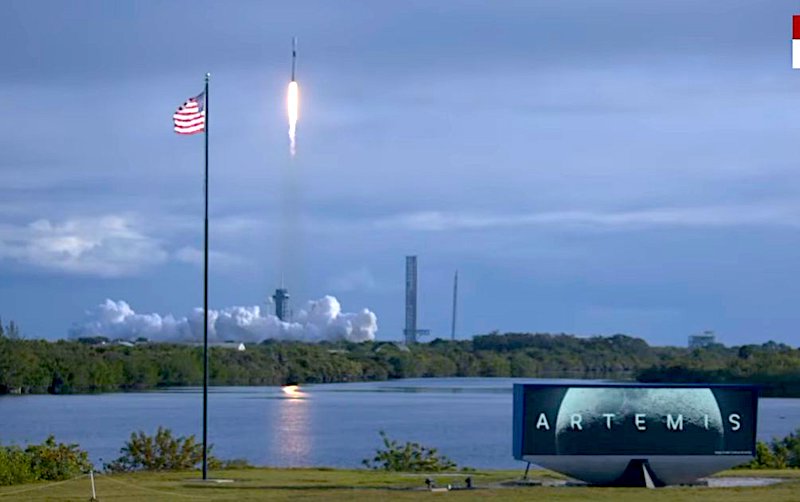
Challenging Conditions, Successful Booster Recovery: The launch came after SpaceX navigated higher-than-expected winds on the Space Coast, which at times threatened to exceed liftoff constraints. SpaceX’s launch team monitored winds at multiple altitudes before proceeding on schedule. Despite the atmospheric challenges, the Falcon 9 first stage completed its mission and propelled the second stage and payload toward orbit.
Approximately eight and a half minutes after liftoff, the first stage booster touched down precisely on the SpaceX droneship “A Shortfall of Gravitas”, stationed in the Atlantic Ocean — marking yet another successful landing for the reusable workhorse.
The booster recovery underscores SpaceX’s continued focus on reusability, a cornerstone of its strategy to lower launch costs and increase mission cadence.
Starlink Growth and Fleet Power: This flight — designated Starlink 6-100 — is part of SpaceX’s Group 6 series of broadband deployments, building on a constellation that now includes more than 9,500 active satellites in orbit, according to satellite tracker Jonathan McDowell.
Starlink’s service footprint spans diverse use cases: from conventional broadband access in rural and remote communities to inflight Wi-Fi and, for select carriers, direct cell-to-satellite communications.
Record Launch Pace in 2026: Sunday’s mission marked SpaceX’s 8th launch of 2026 and the 591st Falcon 9 mission since the vehicle’s debut in 2010, highlighting the company’s rapid ride rate amid a busy global launch schedule that also includes national security and commercial missions.
Industry analysts had anticipated a dense launch cadence this week, with multiple Starlink missions and other orbital flights on tap, reflecting both SpaceX’s capacity and broader space sector activity in early 2026.
The post WATCH REPLAY: SpaceX Launches Falcon 9 with 29 Starlink Satellites from Cape Canaveral Space Force Station appeared first on Space Coast Daily.